



In today’s rapidly changing educational environment, academic excellence alone is not sufficient for the overall development of students. Emotional well being, psychological resilience, and a supportive learning environment play an equally important role in shaping confident and capable individuals.
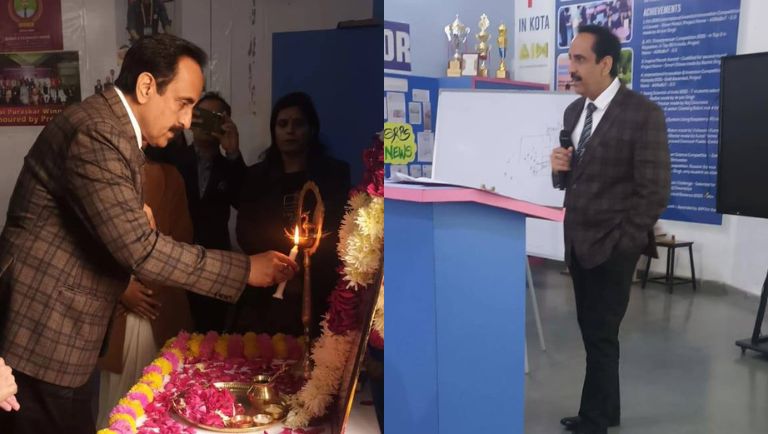
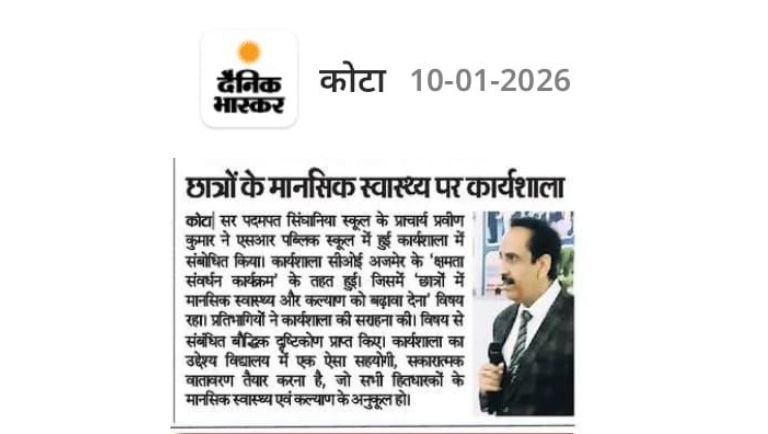
Recognizing the growing importance of mental health awareness in schools, a meaningful and impactful workshop on Mental Health and Wellness was conducted by Mr. Pravin Kumar, Principal of Sir Padampat Singhania School Kota, at S.R. Public School.
The workshop was organized under the CBSE Centre of Excellence Ajmer Capacity Building Program, an initiative aimed at enhancing professional competencies among educators and strengthening the quality of education across schools.
The session provided valuable insights into the importance of mental health in educational institutions and highlighted practical approaches for creating a positive and nurturing environment for students.
The Importance of Mental Health Awareness in Schools
Mental health has become one of the most important aspects of student development in the modern world. Students today face a variety of pressures including academic expectations, social challenges, technological distractions, and future uncertainties.
These factors can often lead to stress, anxiety, and emotional imbalance if not addressed properly.
Schools therefore play a critical role in promoting mental wellness and helping students develop emotional strength. A healthy school environment supports not only academic growth but also emotional stability and self confidence.
Workshops and training programs focused on mental health awareness equip educators with the knowledge and tools required to support students effectively.
The session conducted by Mr. Pravin Kumar aimed to address these important aspects and encourage schools to adopt proactive approaches to student well being.
A Knowledge Enriching Session by Principal Mr. Pravin Kumar
Mr. Pravin Kumar, Principal of Sir Padampat Singhania School Kota, led the training session with clarity, depth, and practical insights. Known for his leadership and dedication to student development, he has consistently advocated for a balanced approach to education that includes emotional and psychological well being.
During the workshop, he shared valuable perspectives on the evolving challenges faced by students in the modern academic environment.
He emphasized that schools must move beyond traditional teaching methods and adopt holistic practices that nurture both intellectual and emotional growth.
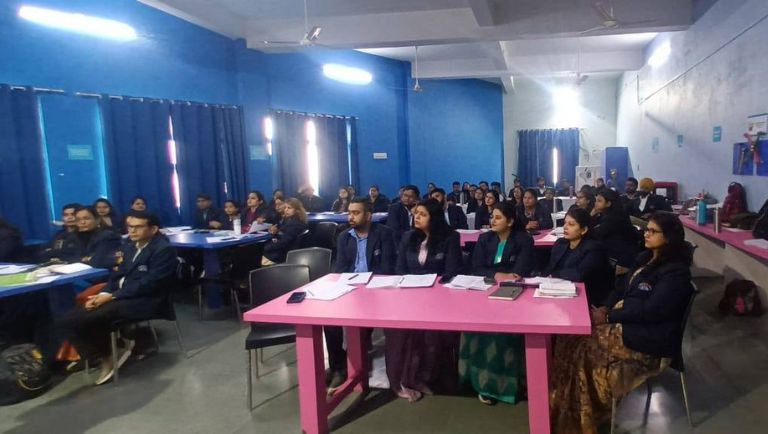
Through interactive discussions and real life examples, participants gained a deeper understanding of how mental health awareness can transform the overall learning environment in schools.
His engaging style of presentation ensured that the session remained both informative and inspiring for all participants.
Understanding the Role of Educators in Student Well Being
Teachers are often the first individuals who notice changes in a student’s behaviour, mood, or academic performance. Because of their daily interaction with students, educators are in a unique position to identify early signs of stress or emotional challenges.
The workshop highlighted the importance of equipping teachers with the skills needed to recognize these signs and respond appropriately.
Mr. Pravin Kumar explained that supportive communication, empathy, and encouragement are essential tools for educators.
When teachers create an environment where students feel comfortable expressing themselves, it becomes easier to address challenges before they escalate.
Such an approach strengthens the trust between students and educators and contributes to a healthier school culture.
Creating a Supportive School Environment
A key objective of the workshop was to encourage schools to build environments that prioritize mental wellness.
A cohesive school environment includes several important elements such as open communication, positive relationships between students and teachers, and systems that support emotional well being.
Mr. Pravin Kumar emphasized that mental health initiatives should not be limited to occasional events. Instead, they should become an integral part of the educational culture.
Schools can promote mental wellness through regular counseling sessions, awareness programs, stress management activities, and inclusive classroom practices.
By implementing such initiatives, educational institutions can help students develop resilience and confidence.
Insights Shared During the Workshop
The session covered several important aspects related to mental health awareness in schools.
Participants gained insights into understanding emotional challenges faced by students and the role of teachers in supporting them.
Key discussions included:
- Understanding stress and anxiety among students
- Identifying early signs of emotional distress
- Encouraging open communication in classrooms
- Building supportive teacher student relationships
- Promoting positive peer interactions
- Creating a balanced academic environment
The workshop also emphasized the importance of promoting empathy and kindness within school communities.
These values help create an atmosphere where students feel safe, respected, and motivated to learn.
Encouraging Intellectual Perspectives on Mental Wellness
One of the most valuable outcomes of the workshop was the intellectual engagement it encouraged among participants.
Teachers and educators actively participated in discussions and shared their experiences related to student well being.
This collaborative exchange of ideas helped participants develop a broader perspective on mental health in educational settings.
By discussing practical scenarios and solutions, the workshop provided educators with strategies that they can implement in their own schools.
Such intellectual exchanges are essential for building a strong educational community that works collectively toward student development.
Positive Response from Participants
The workshop received an enthusiastic response from all participants. Educators appreciated the practical insights and thoughtful perspectives shared during the session.
Many participants expressed that the workshop helped them better understand the emotional needs of students and the importance of addressing mental health proactively.
The session also encouraged educators to reflect on their own teaching practices and consider new approaches that support student well being.
Such positive feedback highlights the importance of capacity building programs that empower educators with knowledge and skills.
The Role of CBSE Capacity Building Programs
The CBSE Centre of Excellence Ajmer Capacity Building Program plays an important role in strengthening the professional development of educators.
These programs aim to enhance teaching practices, leadership skills, and educational strategies that benefit both teachers and students.
Workshops like the Mental Health and Wellness session provide valuable learning opportunities for educators to stay updated with modern educational practices.
By focusing on areas such as emotional intelligence, student engagement, and well being, these programs contribute to the overall improvement of the education system.
The participation of school leaders like Mr. Pravin Kumar adds significant value to these initiatives.
Leadership in Education: A Commitment to Student Development
Educational leadership goes beyond administrative responsibilities. It involves guiding institutions toward practices that benefit students academically, emotionally, and socially.
Mr. Pravin Kumar’s participation in the capacity building workshop reflects his commitment to promoting holistic education.
By sharing his experience and insights with other educators, he contributes to the larger mission of improving student well being across schools.
Leadership initiatives like these strengthen collaboration among educational institutions and help build a stronger educational ecosystem.
Holistic Education at Sir Padampat Singhania School Kota
Sir Padampat Singhania School Kota has always emphasized the importance of holistic education.
The institution focuses not only on academic excellence but also on character development, emotional well being, creativity, and leadership.
Programs related to mental health awareness, counseling, and student support are an integral part of the school’s approach to education.
Such initiatives ensure that students grow into confident individuals who are capable of managing challenges and achieving their goals.
The participation of the school’s principal in national level educational programs reflects the institution’s commitment to continuous improvement and educational leadership.
Building Mentally Healthy School Communities
Mental wellness in schools requires a collective effort from teachers, administrators, parents, and students.
Workshops like the one conducted by Mr. Pravin Kumar help build awareness and encourage schools to adopt supportive practices.
When schools prioritize mental health, students feel more secure, motivated, and engaged in their learning journey.
Creating mentally healthy school communities ultimately leads to better academic outcomes and stronger personal development for students.
Such initiatives also prepare students to handle challenges in their future academic and professional lives
The Mental Health and Wellness workshop conducted by Principal Mr. Pravin Kumar at S.R. Public School under the CBSE COE Ajmer Capacity Building Program was a meaningful step toward promoting student well being in educational institutions.
The session provided valuable insights into the importance of emotional health, supportive teaching practices, and the role of schools in nurturing balanced individuals.
Participants gained new perspectives and practical strategies that will help them create healthier learning environments for students.
As education continues to evolve, initiatives like these play a vital role in ensuring that schools focus not only on academic achievement but also on the emotional and psychological well being of students.
By promoting awareness and collaboration among educators, such workshops contribute to building stronger and more compassionate educational communities.